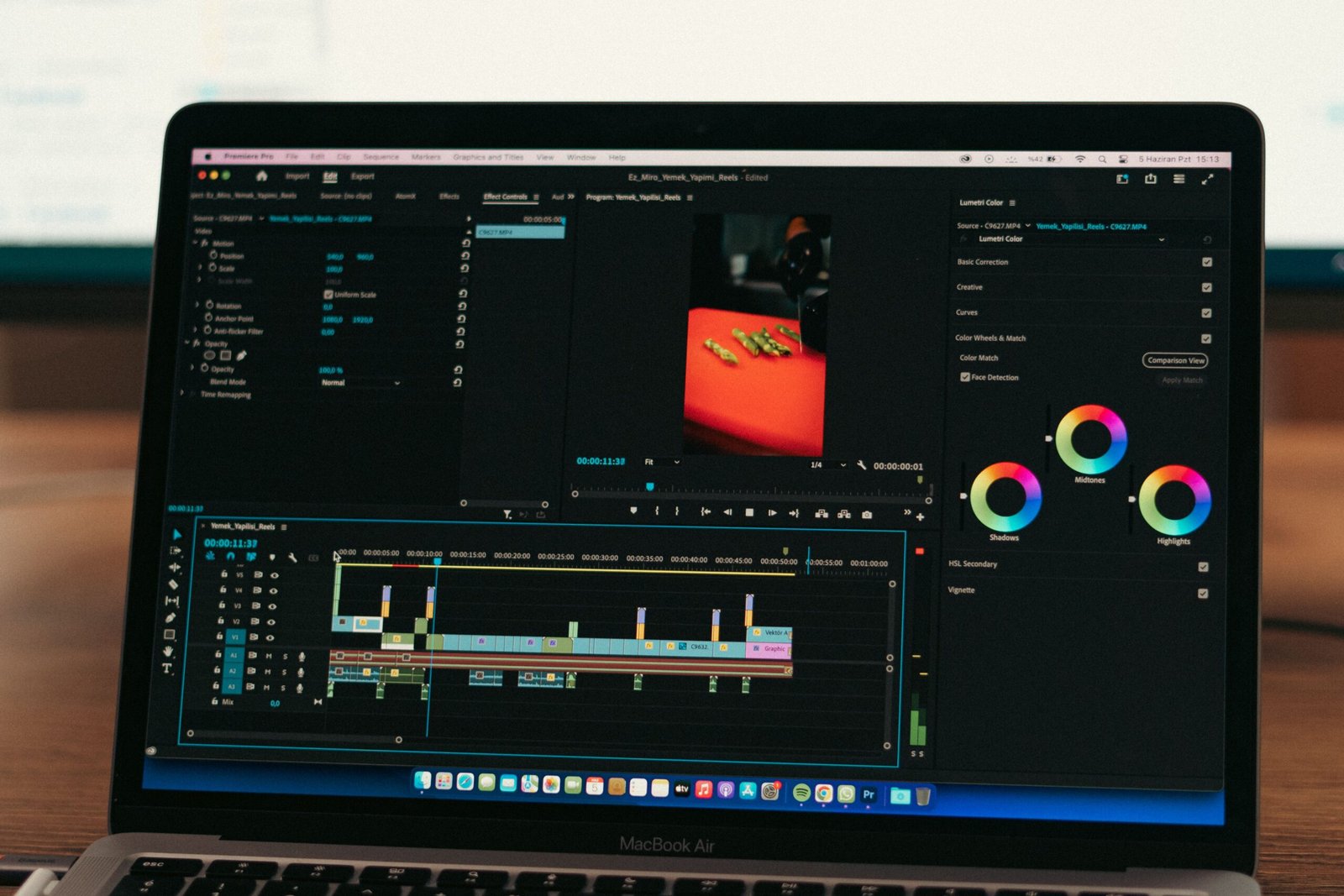
Open YouTube, TikTok, or Instagram and you will notice something: almost every successful creator has one thing in common — a good video editor. Behind every viral vlog, wedding highlight reel, and business ad is someone cutting clips, syncing music, and adding captions. And increasingly, that someone is sitting in Lahore, Karachi, or a small town in Punjab, earning in dollars.
Video editing is one of the most beginner-friendly online skills in Pakistan right now. You don’t need a degree, you don’t need expensive equipment, and you can learn the basics entirely for free. This guide covers how to learn video editing, where to find clients, what you can realistically earn, and how to receive payments — all from Pakistan.
Why Video Editing Is in High Demand
Short-form video has exploded. YouTubers need editors for long videos, TikTokers and Instagram creators need reels edited daily, and wedding videographers shoot for hours but hate sitting through the edits. On top of that:
- Businesses are going digital: clothing brands, restaurants, and real estate dealers all need video ads for Facebook and Instagram.
- The creator economy keeps growing: Pakistan’s YouTube and TikTok scene expands every year, and creators outsource editing as soon as they can afford it.
- Global demand: foreign clients happily hire Pakistani editors because the quality is good and the rates are competitive.
- AI hasn’t replaced editors: tools speed up the work, but storytelling, pacing, and understanding a client’s taste still need a human touch.
Free vs Paid Ways to Learn Video Editing
You can genuinely learn video editing for free:
- DaVinci Resolve (free): a professional-grade editor whose free version is more than enough for client work — the best “paid quality, zero cost” option available.
- CapCut (free): perfect for reels, TikToks, and Shorts — fast, simple, and what many creators use themselves.
- Premiere Pro (free trial): the industry standard; the trial lets you test it properly, and most paid courses teach it.
- YouTube tutorials in Urdu and Hindi: search for complete editing courses in Urdu — there are full beginner-to-advanced playlists that cost absolutely nothing.
Paid courses on platforms like Udemy or at local institutes can speed things up with structure and feedback, but they are optional. What actually gets you hired is hours of practice, not certificates. If you’re curious how AI fits into creative work, read our guide on how to earn money with AI tools in Pakistan.
How Long Does It Take to Learn?
With 2–3 hours of daily practice, expect this rough timeline: basic cuts, transitions, and captions within 3–4 weeks; clean, client-ready edits within 3–4 months; advanced skills like color grading and motion graphics within 6–12 months. Most beginners can take their first small paid project within 2–3 months. Don’t wait until you feel “perfect” — start with simple projects and improve on the job.
What Equipment Do You Need?
Less than you’d think:
- A decent laptop or PC: an i5/Ryzen 5 processor, 16GB of RAM, and an SSD handles most editing smoothly. You don’t need a 3-lakh machine to start earning.
- Headphones: for syncing audio properly — even basic ones do the job.
- Storage: video files are huge, so an external hard drive helps a lot.
- A stable internet connection: for downloading footage, uploading finished work, and client calls.
You don’t need a camera. Clients send you their footage; you send back the finished edit.
Where to Find Clients
Fiverr and Upwork: create gigs for specific services (“I will edit your YouTube videos”, “reels and TikTok editing”). New sellers should start with competitive prices and over-deliver to earn those crucial first reviews. Our guide to freelancing in Pakistan on Fiverr and Upwork walks through setting up profiles that actually win orders.
Facebook groups: Pakistani freelancing and video-editing groups are full of clients posting work — and these jobs are often easier to win than Fiverr gigs.
Local videographers: wedding and event videographers in your city almost always need editors. Walk in with your portfolio and offer a trial edit.
YouTubers and podcasters: message small-to-mid-size creators with a short sample edit of their own content. A 30-second free sample converts better than a long pitch.
Instagram outreach: find local businesses with poor-quality reels, send them a before/after sample, and offer a monthly package.
Realistic Rates in PKR
- Beginner (first 3–6 months): PKR 3,000–8,000 per short-form video; PKR 8,000–20,000 per YouTube video.
- Intermediate: PKR 10,000–25,000 per short video; PKR 25,000–60,000 per long video; wedding and event edits PKR 20,000–60,000 per project.
- Monthly retainers: regular clients such as creators and businesses pay PKR 50,000–150,000+ per month for a fixed number of videos.
- Foreign clients: $50–$300+ per video depending on complexity — this is where the real money is.
Raise your rates when you’re fully booked, not before. Every 5–10 good reviews or strong portfolio pieces is a reasonable point to increase prices by 20–30%.
How to Receive Payments in Pakistan
- Local clients: direct bank transfer or IBFT — simple and instant.
- Fiverr and Upwork earnings: withdraw directly to your Pakistani bank account or through Payoneer.
- Payoneer: the standard route for international clients; link it to your local bank for easy withdrawals.
- JazzCash and Easypaisa: convenient for smaller local payments and quick transfers.
- Wise: another solid option for receiving dollars and euros at competitive rates.
Always agree on payment terms before starting work — a 50% advance from new clients is standard practice and protects you from non-payment.
Portfolio Tips That Win Clients
Clients hire based on what they see, not what you claim. Build a portfolio with your 3–5 best pieces: re-edit public footage as practice (“spec work”), cut a trailer for a local business for free or cheap, and keep everything in a simple YouTube playlist or Google Drive folder. Your portfolio link should be one click away in every pitch you send. Remember: quality beats quantity — three excellent edits beat thirty average ones.
Common Beginner Mistakes to Avoid
Most beginners slow themselves down with the same handful of mistakes. Avoid these and you will progress much faster:
- Tutorial hell: watching 50 hours of tutorials without editing anything yourself. Watch one concept, then immediately apply it to a real clip.
- Chasing expensive gear and software: you don’t need the priciest laptop or a paid subscription on day one — free tools are enough to win your first client.
- Having no niche: “I edit everything” wins nobody. Pick one lane first — YouTube videos, wedding highlights, or reels — and become visibly good at it.
- Undercharging forever: low starting rates are fine while you collect reviews, but raise them as your portfolio grows or you will burn out.
- Ignoring feedback: every revision request is free training. Editors who welcome feedback improve dramatically faster than those who argue with clients.
Treat your first six months like an apprenticeship: the goal isn’t maximum income, it’s maximum skill and a portfolio that sells itself. The money follows.
Frequently Asked Questions
Can I learn video editing on a mobile phone?
You can learn the basics on CapCut mobile, and some editors do earn from phone-edited reels. But for serious client work and higher rates, a laptop running DaVinci Resolve or Premiere Pro is strongly recommended.
How much can a beginner earn per month from video editing in Pakistan?
Realistically, PKR 30,000–80,000 per month in your first six months with consistent effort. Editors with a strong portfolio and foreign clients often cross PKR 150,000–300,000+ within a year or two.
Is video editing still worth learning with AI tools around?
Yes. AI speeds up tasks like captions and rough cuts, but clients still pay for storytelling, pacing, and style — things AI can’t do well on its own. Editors who use AI as an assistant tend to earn more, not less.
Do I need a degree to get video editing clients?
No. Clients care about your portfolio and your reliability, not your degrees. No Fiverr buyer has ever asked a freelancer for a university transcript.
Which is better for earning: Fiverr or direct clients?
Start with Fiverr and Facebook groups to build reviews and experience, then gradually shift toward direct, long-term clients who pay better and don’t charge platform fees. The most successful editors eventually work mostly on monthly retainers.