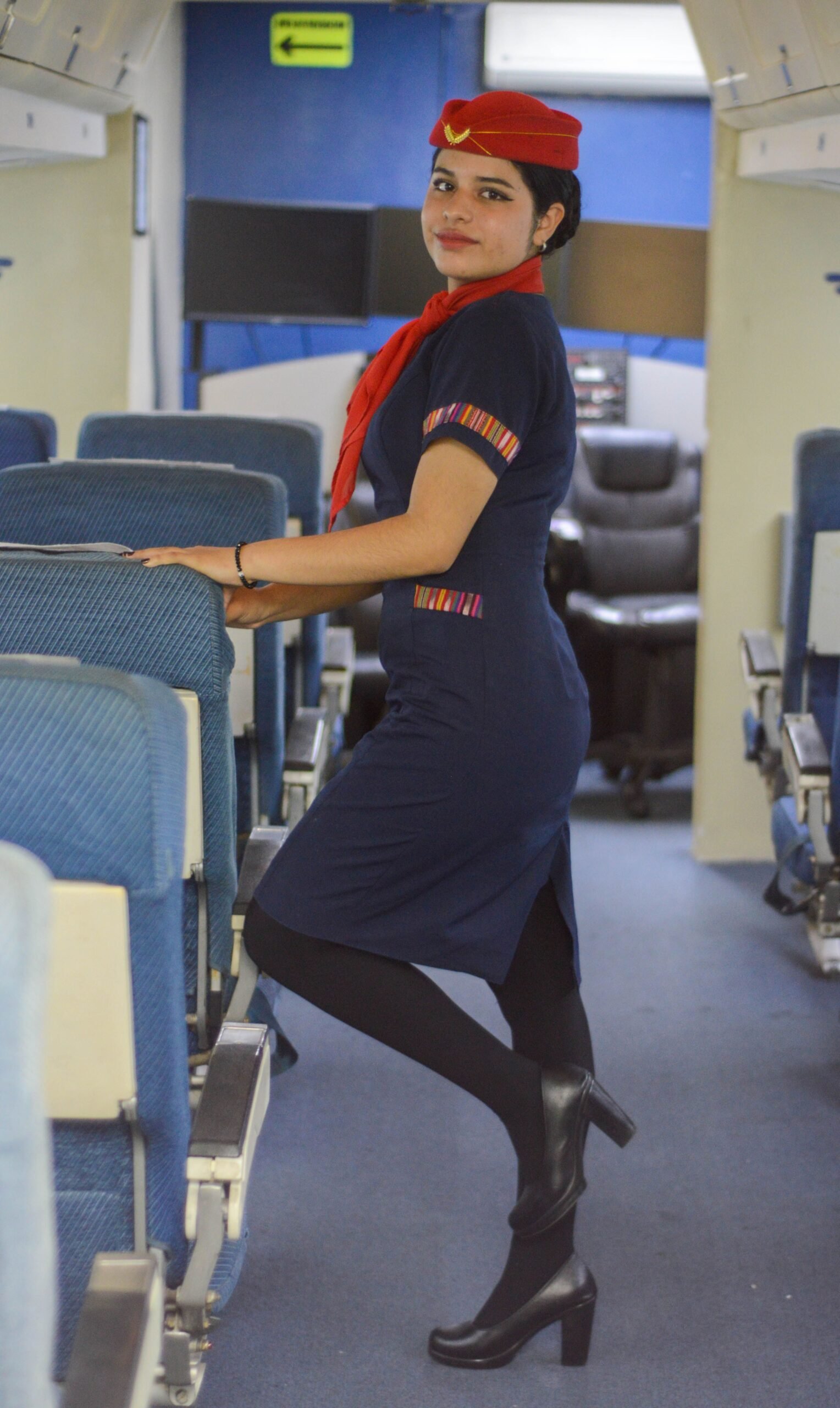
If you have ever walked into a hotel lobby in Lahore or Karachi and thought you would love to work in a place like this, you are not alone. Pakistan’s hospitality industry is quietly becoming one of the most dependable career fields in the country. New hotels keep opening, restaurant chains keep expanding, and tourism in the northern areas is creating jobs that barely existed ten years ago.
Hospitality is also one of the few industries where your personality matters as much as your degree. If you are polite, presentable, hardworking, and genuinely enjoy dealing with people, you can build a real career here — even if you start from an entry-level position with no experience.
This guide walks you through everything: the types of hospitality jobs in Pakistan, the qualifications and diplomas you need, realistic salaries in PKR, the best cities and companies to apply to, and practical tips for freshers trying to break in.
Why Hospitality Is Growing in Pakistan
Pakistan’s hospitality sector has been expanding steadily for years. International hotel chains continue to invest in the country, local chains like Serena Hotels and Pearl Continental keep adding properties, and the restaurant industry — from desi food streets to international franchises — is booming in every major city.
Tourism is the other engine of growth. The northern areas — Hunza, Skardu, Naran, Swat — attract huge numbers of domestic and foreign tourists every summer, and that seasonal rush creates thousands of jobs in hotels, guesthouses, transport, and tour operations. Better roads and active tourism promotion mean more visitors and more jobs each year.
What makes hospitality attractive as a career is its accessibility. Unlike fields that demand a specific four-year degree, hospitality welcomes people from many educational backgrounds — as long as they have the right attitude and are willing to start at the bottom and learn the trade properly.
Types of Hospitality Jobs in Pakistan
Hotel Management and Administration
Hotel managers oversee the daily operations of a property: staffing, guest satisfaction, budgets, and coordination between departments. General managers of large hotels are among the highest-paid professionals in the service industry. Below them are department heads for front office, housekeeping, food and beverage, and sales and marketing.
Most management-track positions prefer candidates with a hotel management degree or diploma, though experienced staff can and do rise through the ranks without one.
Front Office and Guest Services
The front desk is the face of any hotel. Receptionists, concierge staff, and guest relations officers handle check-ins, bookings, complaints, and special requests. These roles demand excellent communication skills, a polished appearance, and fluency in English and Urdu. Any additional language is a strong plus.
If you enjoy meeting new people every day, front office work is one of the most visible and rewarding entry points into hospitality. Many successful hotel managers started their careers behind a reception desk.
Chefs and Kitchen Staff
From five-star hotel kitchens to restaurant chains, skilled cooks are always in demand. Positions range from commis (junior cook) to chef de partie to sous chef to executive chef. Pakistani, Chinese, Continental, and fast-food cuisines each have their own career tracks and pay scales.
Formal culinary training helps, but many successful chefs in Pakistan learned through apprenticeships in professional kitchens. What matters most is skill, speed, hygiene, and consistency under pressure.
Food and Beverage Service
Waiters, banquet staff, and restaurant supervisors keep the dining side running. These jobs teach you customer handling, teamwork, and working under pressure — skills that transfer to any hospitality role. In upscale establishments, tips and service charges can significantly boost your take-home pay.
Housekeeping
Housekeeping staff, supervisors, and executive housekeepers maintain rooms and public areas to exacting standards. It is physically demanding work, but it is also one of the easiest departments to enter without prior experience, and reliable supervisors are always in demand.
Tour Guides and Travel Services
With tourism growing, licensed tour guides, tour operators, and travel agency staff are increasingly sought after. Knowledge of the northern areas, local history, and at least one foreign language can make you stand out. If you love traveling yourself, this is the most adventurous corner of hospitality.
Related travel careers, like cabin crew roles with airlines, share the same customer-service DNA — see our guide to cabin crew jobs in Pakistan if the aviation side of hospitality appeals to you.
Pakistan’s travel sector is expanding quickly — read this overview of tourism jobs in Pakistan.
Event Management and Banquets
Weddings, corporate events, and conferences need planners, coordinators, and banquet teams. Pakistan’s wedding industry alone is enormous, and event management companies in Karachi, Lahore, and Islamabad hire throughout the year.
Qualifications and Diplomas You Need
You do not always need a degree to enter hospitality, but qualifications open doors faster and lead to better starting salaries.
The best-known route is a hotel management diploma or degree. In Pakistan, your options include hospitality and hotel management programs at institutes in Karachi and Lahore, university degrees in hospitality and tourism management offered by several public and private universities, culinary arts diplomas from cooking institutes for aspiring chefs, and short courses in front office operations, housekeeping, or food and beverage service.
For tour guiding, look into tourism department certifications and first-aid training. For food handling roles, a food safety and hygiene certificate is often required by employers and always looks good on a CV.
Just as important as certificates are soft skills: spoken English, personal grooming, patience with difficult guests, and the ability to stay calm during rush hours. Employers notice these qualities in interviews more than anything written on paper.
If you are a fresh graduate wondering how to position yourself for your first job, our guide for fresh graduates in Pakistan has practical advice on CVs and interviews that applies directly to hospitality applications.
Expected Salaries in Pakistan’s Hospitality Sector
Salaries vary widely by city, employer, and experience. Here are realistic monthly ranges in PKR based on current market conditions.
Trainee and entry-level roles such as front desk assistants, housekeeping staff, and waiters typically earn between PKR 35,000 and PKR 55,000 per month. Experienced receptionists and guest relations officers earn roughly PKR 60,000 to PKR 90,000.
In kitchens, a commis chef or line cook can expect PKR 40,000 to PKR 70,000, while a sous chef earns around PKR 100,000 to PKR 180,000. Executive chefs at large hotels earn PKR 250,000 and above.
On the management side, restaurant managers typically earn PKR 80,000 to PKR 150,000, front office managers PKR 120,000 to PKR 200,000, and general managers of large properties PKR 400,000 and above.
Five-star hotels and international chains pay at the top of these ranges. Smaller guesthouses and local restaurants pay less but often provide accommodation and meals. Tips, service charges, and overtime can add meaningfully to take-home pay in guest-facing roles.
Best Cities and Companies to Apply
Karachi
Pakistan’s largest city has the most hospitality jobs: hotels, restaurants, catering companies, and event firms. Major employers include Pearl Continental Karachi, Avari Towers, Movenpick, and countless restaurant chains across DHA, Clifton, and Boat Basin.
Lahore
Lahore’s food culture makes it a restaurant industry hub, and its hotels serve strong business and wedding markets. Pearl Continental Lahore and Avari Lahore anchor the upscale segment, while the ever-expanding food streets of DHA and Gulberg mean constant hiring at every level.
Islamabad
The capital’s hotels cater to diplomats, government guests, and corporate travelers. Serena Hotel Islamabad is the flagship luxury property, alongside Marriott Islamabad and numerous boutique guesthouses in the F-series sectors.
Northern Areas and Tourist Towns
Hunza, Skardu, Naran, Murree, and Swat offer seasonal hospitality work. Hotels, guesthouses, restaurants, and tour operations hire heavily from May to October. Pay may be lower than big-city hotels, but accommodation is usually included and the experience is unmatched.
How to Apply for Hospitality Jobs
Start with a clean, one-page CV that includes a professional photograph. Hospitality employers care about presentation, so make sure your CV looks sharp and is free of errors.
Highlight any customer-facing experience, even from other fields. Retail work, call centers, and event volunteering all count as relevant experience in a hospitality interview.
Apply directly on hotel websites, since most large hotels maintain careers pages. Also check Rozee.pk and Indeed regularly, and register with hospitality recruitment agencies that place staff with hotels and restaurant chains.
Do not underestimate walk-in applications. Hotels and restaurants still hire through walk-in interviews, especially for entry-level roles. Visit during off-peak hours, usually late morning, and ask for the HR office.
Use your connections. Hospitality is a relationship industry, and referrals from employed friends and relatives carry real weight with hiring managers.
Prepare for practical assessments. Chef applicants may be asked to cook a dish on the spot, and front desk applicants are often tested on spoken English and situational responses.
Career Growth Paths in Hospitality
Hospitality rewards loyalty and performance with clear progression. A typical front office path runs from front desk agent to senior receptionist to front office supervisor to front office manager and eventually general manager.
In kitchens, the ladder runs from commis chef to chef de partie to sous chef to executive chef. In restaurants, from waiter to head waiter to restaurant supervisor to restaurant manager to food and beverage manager.
Moving between properties is normal in this industry and is often the fastest way to secure a raise. International experience — even a two-year stint in the Gulf — can multiply your salary when you return to Pakistan. Cruise ships are another popular route for Pakistani hospitality workers seeking foreign exposure and dollar earnings.
Tips for Freshers Starting in Hospitality
Start anywhere, but start now. An entry-level job at a reputable hotel beats waiting months for the perfect position that may never come.
Take grooming seriously. Proper uniforms, polished shoes, and neat hair are part of the job in hospitality, not optional extras.
Work on your English continuously. Even steady improvement in spoken fluency dramatically widens the roles open to you.
Be willing to work shifts, weekends, and public holidays. That is simply when hospitality happens, and employers favor staff who embrace it.
Observe your seniors closely. The best training in hospitality comes from watching experienced colleagues handle difficult guests with grace.
Stay at least a year in your first job. Leaving too early signals unreliability to future employers in a tight-knit industry.
Keep learning on the side. Short courses in customer service, food safety, or a new cuisine keep your CV growing even while you work.
Final Words
Hospitality jobs in Pakistan offer something rare: a career where attitude and effort can matter more than connections or expensive degrees. Whether you dream of managing a five-star hotel, running a restaurant kitchen, or guiding tourists through the Hunza valley, the industry has a place for you.
Start with realistic expectations, pick up skills on the job, and treat every guest interaction as practice. In hospitality, your reputation is your real CV — and it is built one satisfied guest at a time.