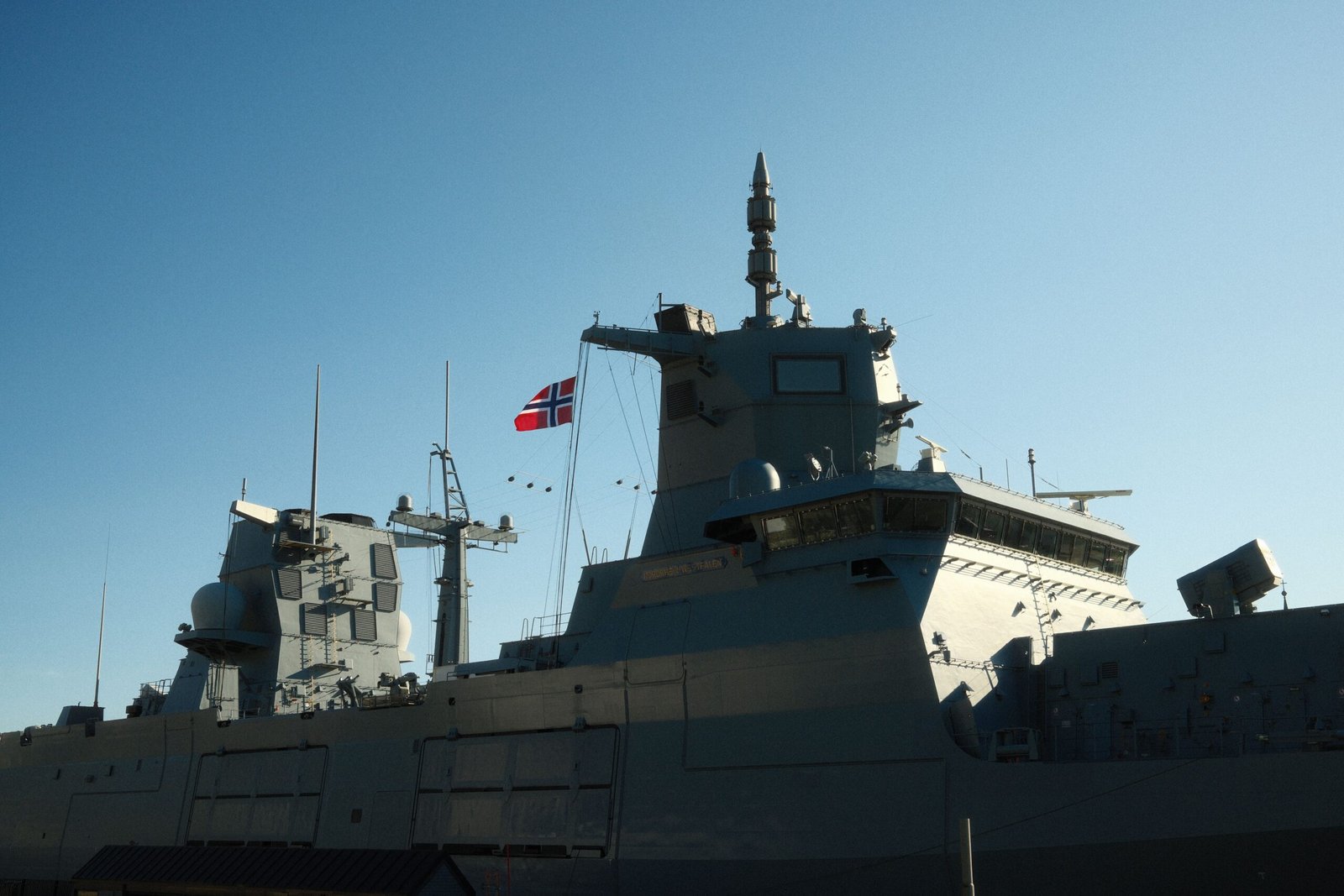
Every year, thousands of young Pakistanis dream of wearing the white uniform of the Pakistan Navy. It is a career that offers respect, adventure, free training, and a secure future — all while serving the country at sea. But many aspirants give up simply because they do not understand the process: which entries exist, who is eligible, and what the tests actually involve.
This complete guide explains how to join Pakistan Navy after Matric, FSc, or graduation. You will learn about every major entry type — PN Cadet, Technical Branch, Marines, and Sailor — plus the step-by-step application process, test preparation tips, training, salary, and perks. Read it once, and you will know exactly what to do next.
Why Join the Pakistan Navy?
Before we get into the process, it helps to understand why the Navy attracts so many applicants from every corner of Pakistan:
- Job security: A government career with pension benefits after retirement.
- Free world-class training: The Navy trains you at its own institutions, including the Pakistan Naval Academy.
- Attractive salary and allowances: Officers and sailors receive pay plus sea-service, uniform, and other allowances.
- Free medical facilities: For you and your family at naval hospitals like PNS Shifa.
- Travel and adventure: Postings and exercises in Karachi, Gwadar, Ormara, and ports abroad.
- Respect in society: A commissioned officer’s rank carries lifelong prestige.
Ways to Join the Pakistan Navy
The Navy recruits through several entries depending on your education level. Pick the one that matches your qualification:
1. PN Cadet (Permanent Commission as Officer)
This is the most popular officer entry for young men after intermediate. PN Cadets train at the Pakistan Naval Academy and are commissioned as Sub-Lieutenants. Typical requirements are: male, unmarried, aged 16½ to 22 years, with FSc (Pre-Engineering, Pre-Medical, or Computer Science) with at least 60% marks. Always confirm the exact criteria in the latest advertisement, as they can change slightly between courses.
2. Short Service Commission (SSC) – Technical and Other Branches
Graduates join through the Short Service Commission in branches such as Operations, Marine Engineering, Weapon Engineering, Supply, Education, Medical, IT, and Special branches. Requirements generally include a relevant Bachelor’s or Master’s degree (often with a minimum division/CGPA), with age limits that vary by branch — usually up to 26–28 years. Women can also join the Navy through SSC in branches like Medical, Education, and Special (IT, Public Relations, etc.).
3. Pakistan Marines
The Marines are the Navy’s combat force. Young men join as Marine sailors after Matric, usually between 16 and 20 years of age and unmarried. Marines undergo tough physical training and serve in coastal defence and security duties.
4. Sailor (Technical, Naval Police, and Other Categories)
After Matric, you can join as a Sailor in the Technical branch (Matric Science with good marks), Naval Police, or as a Marine. Sailors receive free technical training and can rise through the ranks to senior positions. The general age bracket is 16 to 20 years for most sailor entries.
| Entry | Minimum Education | Typical Age | Marital Status |
|---|---|---|---|
| PN Cadet | FSc (60% marks) | 16½–22 years | Unmarried |
| SSC Officer | Bachelor’s/Master’s | Up to 26–28 years | Married/Unmarried* |
| Marines | Matric | 16–20 years | Unmarried |
| Sailor | Matric | 16–20 years | Unmarried |
*Marital status rules differ by branch and course — check the advertisement.
Eligibility Criteria in Detail
Whatever entry you choose, these basic conditions apply:
- Nationality: You must be a citizen of Pakistan. Dual nationals usually have to surrender the other nationality upon selection.
- Age: Your age on the cut-off date given in the advertisement must fall within the bracket for your entry. There is normally no age relaxation, so apply in the very first course you qualify for.
- Education: Only qualifications from recognized boards and universities (HEC-recognized for degrees) are accepted. Result-awaiting candidates can often apply on a “hope certificate” basis — the ad will clarify.
- Marital status: PN Cadet, Marine, and Sailor entries require unmarried candidates.
- Physical standards: Minimum height is around 5 feet 4 inches for males (with proportionate weight), and eyesight and general fitness must meet naval medical standards. Minor issues like flat feet or colour blindness can cause rejection, so get a basic check-up before applying.
- Character: Candidates dismissed from any government service or convicted by a court are ineligible.
How to Apply: Step-by-Step Process
Applications are submitted online — there is no need to visit an office just to register. Follow these steps:
- Watch for the advertisement: Navy courses are announced in leading newspapers and on the official website, usually twice a year.
- Register online: Go to the official recruitment website joinpaknavy.gov.pk and fill in the online registration form carefully. Double-check your CNIC/B-Form number, education details, and mobile number.
- Note your roll number: After registration, you will get a roll number and the date of your initial test. Save/print this slip — you cannot enter the test centre without it.
- Appear at the test centre: Report to your nearest Pakistan Navy Recruitment and Selection Centre (PNR&SC) — these operate in Karachi, Lahore, Rawalpindi, Multan, Faisalabad, Peshawar, Quetta, Hyderabad, Sukkur, and other major cities — on the given date and time.
- Bring original documents: CNIC or B-Form, domicile certificate, academic certificates and transcripts, and recent passport-size photographs.
- Clear each stage: Initial test → medical → physical/personality tests → interview → final selection. Each stage is a filter, so prepare for all of them from day one.
If you are also considering the Army, read our guide on how to join the Pak Army as an officer to compare the two processes.
The Initial Test: Intelligence + Academic
The first hurdle is a computer-based initial test at the recruitment centre. It has two parts:
- Intelligence test: Verbal (word problems, series, analogies) and non-verbal (patterns, shapes, sequences) questions. This part is about speed and logic, not memorized knowledge.
- Academic test: MCQs from English, Mathematics, Physics, and General Knowledge — based on your Matric/FSc syllabus depending on the entry.
Preparation tips: Practice verbal and non-verbal reasoning daily from ISSB-style preparation books available at any Urdu Bazaar bookshop. Revise Matric and FSc Physics and Maths formulas, and read English grammar rules. Attempt timed mock tests — most candidates fail because they run out of time, not because the questions are too hard. If you are appearing in other armed-forces tests too, our guide to joining the PAF covers similar test patterns.
Medical, Physical and Personality Tests
Candidates who pass the initial test go through:
- Initial medical: Height, weight, eyesight, hearing, and a general physical examination at the recruitment centre.
- Physical test: Typically a 1.6 km run within a set time (around 8 minutes for most male entries), plus push-ups, sit-ups, and chin-ups. Start running and exercising at least 6–8 weeks before your test date — this stage eliminates many otherwise strong candidates.
- Personality test: Written psychological questions and sometimes group tasks that assess confidence, teamwork, and officer-like qualities. Answer honestly and stay calm.
Interviews and Final Selection
After the tests, shortlisted candidates face a preliminary interview at the recruitment centre, followed by a final interview panel for officer entries. Be prepared to answer questions about yourself, your education, current affairs, and why you want to join the Navy. Final selection is made on overall merit after a detailed medical examination at a naval hospital (such as PNS Shifa in Karachi). If selected, you will receive your joining instructions with the reporting date.
Training: From Civilian to Naval Professional
Officer cadets train at the Pakistan Naval Academy at Manora, Karachi — a roughly two-year program combining academics, seamanship, physical training, and leadership development. Graduates are commissioned as Sub-Lieutenants. Sailors and marines complete their initial training at naval training establishments such as PNS Himalaya in Karachi, where they learn their trade alongside naval discipline, swimming, and weapons handling. Training is free, and trainees receive a stipend.
Salary, Perks and Career Growth
A naval career offers steady financial growth:
- Salary: Pay follows government scales with regular increments, plus naval allowances such as sea-service allowance, diving/flying allowances (for specialists), and uniform allowance.
- Free facilities: Accommodation (or house-rent allowance), free medical treatment for family, and subsidized education for children.
- Career growth: Officers can rise from Sub-Lieutenant to Lieutenant, Lieutenant Commander, Commander, Captain, and beyond — even to Admiral for the very best. Sailors are promoted through leading, petty officer, and chief petty officer ranks, with opportunities to earn a commission.
- Post-retirement: Pension, medical facilities, and strong preference in many civilian jobs.
For a broader comparison of public-sector careers, see government vs private jobs in Pakistan.
Common Mistakes to Avoid
- Waiting until the last date to register — the website gets heavy traffic near deadlines.
- Entering wrong CNIC or education details in the online form.
- Ignoring physical fitness until after the initial test.
- Falling for agents who promise selection for money — the Navy’s process is merit-based, and paying anyone is both useless and illegal. Also check our guide on joining ASF for another uniformed career with a similar merit process.
FAQs
Can girls join the Pakistan Navy?
Yes. Women join through the Short Service Commission in branches such as Medical, Education, Special (IT, public relations, law), and others announced from time to time.
Can I apply after DAE or ICS?
ICS (Computer Science) is generally accepted for PN Cadet like FSc. DAE holders may apply for certain sailor/technical entries — check the specific advertisement.
Is there any fee for the application?
Online registration itself is free. Be wary of anyone asking for money for forms or “guaranteed” selection.
How many times can I apply?
You can apply for every course for which you meet the age and education criteria, until you exceed the age limit. Failed attempts in tests do not create a permanent ban, but repeated final rejections on medical grounds usually cannot be overturned.
What is the height requirement?
Around 5 feet 4 inches minimum for males, with weight proportionate to height. Exact standards are printed in each advertisement.
Joining the Pakistan Navy is a challenging but completely achievable goal if you start early, prepare honestly, and stay physically fit. Register on joinpaknavy.gov.pk as soon as your course is announced, and give every stage your best effort. Good luck — the sea is calling!